5 tähden hotellit kohteessa Sichuan, Kiina
Syötä matkapäiväsi tarkistaaksesi viimeisimmät hinnat ja saatavuus
Näytä enemmän pyyhkäisemällä alas
Suodatusperuste:
Hotellien tähtiluokitus
≤2345
Vierasarvio
Mahtava 9+Upea 8+Hyvä 7+Miellyttävä 6+Parhaat 5 tähden hotellit – Sichuan
Valitse matkapäiväsi nähdäksesi viimeisimmät hinnat
Suosituin
Edullisin hinta
Lähinnä keskustaa
Parhaaksi arvosteltu


99+
成都锦投·古迹酒店(春熙路太古里店)
Hotellit kohteessa Jinjiang District,Chengdu
Award & Location
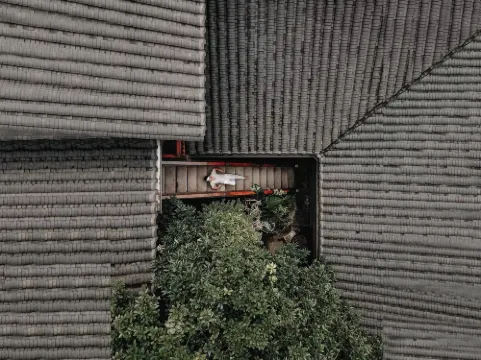
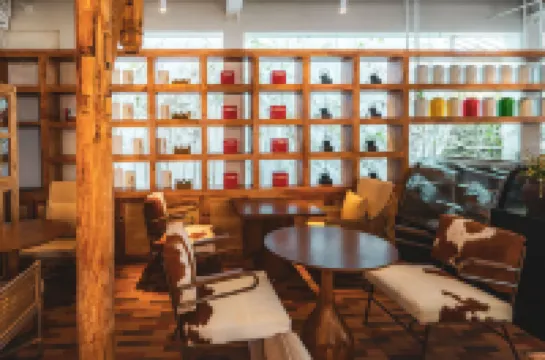
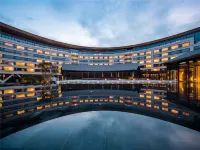
Voted as the "Asia-Pacific Annual Selection Design Hotel," our property is nestled in Shuwa North First Street, Jinjiang District, Chengdu – the heart of the Land of Abundance.
Heritage & Design
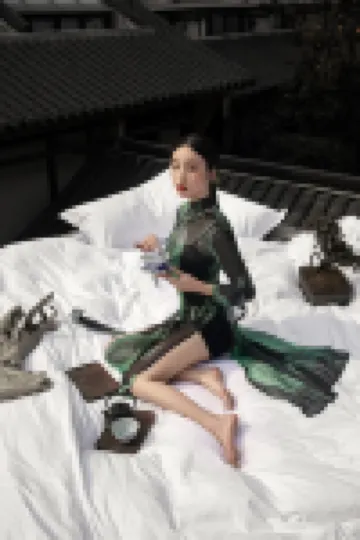
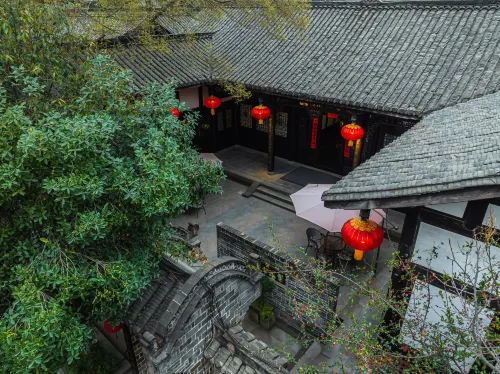
Transformed from a late Qing Dynasty triple-courtyard residence, this star-rated luxury hotel retains the original layout and orientation. With a distinctive design language, it preserves the architectural style of traditional Western Sichuan dwellings – rustic, natural, yet infused with contemporary design principles. We honor timeless beauty while delivering modern comfort, creating a photogenic retreat that has attracted countless visitors and established itself as a celebrated internet-famous destination.
Prime Access
The hotel is steps from Chunxi Road/Taikoo Li, close to Taisheng Road, and within easy reach of top attractions: Tianfu Square, Kuanzhai Alley, Wuhou Temple, and Jinli Ancient Street.
Architectural Integrity
Every element – from the Qing-era blue-grey brick walls and rammed-earth partitions to the wooden columns and arched gateways – stands as a testament to history. Blending heritage with modern hospitality design, the hotel offers a secluded sanctuary amid the urban buzz, where tranquility meets convenience.
Signature Suites
Romantic Couples' Suite: Features a private soaking pool for an intimate getaway.
Family Loft Suite: Includes a slide and ball pool to keep children entertained all day.
Amenities & Connectivity
ZhiLian Tea Selection Lounge in the lobby
Complimentary WiFi throughout public areas
Dining & Transit: To the right lies Chunxi Road/Taikoo Li; to the left, our Intangible Cultural Heritage Chinese Restaurant and Taisheng South Road Metro Station.
In-Room Comfort
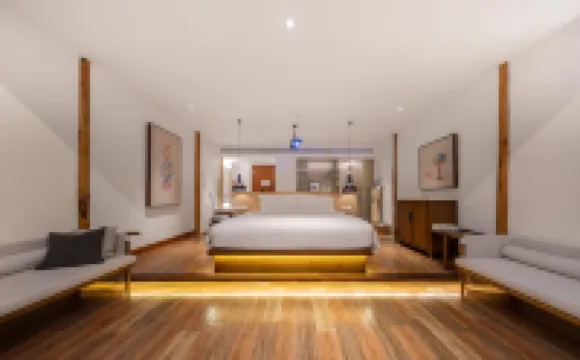
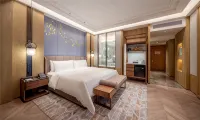
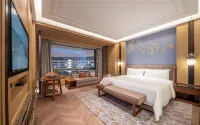
All guestrooms are equipped with a minibar, capsule coffee machine, ventilation system, and smart toilet. Retreat to the attic loft to savor a fine cup of tea and embrace a slow, relaxing moment.
Courtyard Serenity
Within our expansive, exclusive Sihey courtyard, we have created an urban oasis – a tranquil, elegant haven that offers a sense of calm, refinement, and deeply soothing serenity.
"Traditional building with modern amenities. Initially I thought the price is a bit expensive for the room, but it comes with a free photoshoot which I highly recommend and justified the price. Amazing photos, better than a lot of other professional photoshoots in China that you pay for. The breakfast is also very nice. Overall would recommend!"
Excellent
1343 arvostelua
9,6/10
1 yö
Alkaen 100 EUR


99+
天府空港云享酒店(天府机场店)
Hotellit kohteessa Sichuan
The Joyhub Air Hotel is an ideal spot for travelers wanting to discover the city. The Joyhub Air Hotel offers a pleasant stay in Jianyang for those traveling for business or leisure. The hotel is conveniently located just 200m from Chengdu Tianfu International Airport and 500m from Tianfu Airport Railway Station. Being just minutes away from Terminal 1&2 Of Tianfu International Airport Metro Station allows guests to explore the city with ease. With multiple attractions nearby including Zhongxing Aviation Research and Study Center (Tianfu Airport Branch), Children's Activity Area (Chengdu Tianfu International Airport Store) and Caochi Theater, guests will find plenty to keep themselves occupied. When guests have some time on their hands they can make use of the onsite facilities. Guests of this Jianyang hotel can make use of the parking facilities. If cleanliness is important to you, this hotel makes an excellent choice, as our guests consider this to be one of the cleanest hotels in the city. For guests traveling with families, this hotel is consistently one of the most popular choices.
"I recently stayed at a transit hotel in Chengdu and had a very pleasant experience overall. The location is extremely convenient, especially for travelers, as it’s very close to the airport—perfect for short layovers or early flights.
One of the highlights of my stay was the food. The meals were surprisingly good for a transit hotel, with a nice variety and satisfying quality. The room itself was very clean and well-maintained, which made it easy to relax after a long journey.
I also appreciated the facilities and amenities. The hotel offers a comfortable environment with thoughtful touches, and the bathtub was a great bonus—perfect for unwinding and refreshing before the next leg of travel.
Despite being so close to the airport, the hotel was not noisy at all. I was able to rest comfortably without any disturbance, which is something I really value.
There is also a VIP check-in service available at the airport, which sounds like a great perk, although I wasn’t entirely sure how to use it. It would be helpful if the hotel could provide clearer instructions for guests on how to take advantage of this feature.
Overall, I would definitely recommend this hotel for anyone transiting through Chengdu. It offers convenience, comfort, and quality, making travel much more enjoyable."
Ylivertainen
6328 arvostelua
9,5/10
1 yö
Alkaen 70 EUR
![Siguniang Mountain Yangwangxingkong Snow Mountain Hotel[The best spot to view snow-capped mountains] - 5 tähden](https://ak-d.tripcdn.com/images/0583312000sp1a7rbCFDE_W_500_400_R5.webp)
![Siguniang Mountain Yangwangxingkong Snow Mountain Hotel[The best spot to view snow-capped mountains] - 5 tähden](https://ak-d.tripcdn.com/images/1mc2e12000d44f9id51B7_W_200_150_R5.webp)
![Siguniang Mountain Yangwangxingkong Snow Mountain Hotel[The best spot to view snow-capped mountains] - 5 tähden](https://ak-d.tripcdn.com/images/1mc4k12000nrh2v3r51B4_W_200_150_R5.webp)
![Siguniang Mountain Yangwangxingkong Snow Mountain Hotel[The best spot to view snow-capped mountains] - 5 tähden](https://ak-d.tripcdn.com/images/1mc1112000d8h6q58E55F_W_200_150_R5.webp)
![Siguniang Mountain Yangwangxingkong Snow Mountain Hotel[The best spot to view snow-capped mountains] - 5 tähden](https://ak-d.tripcdn.com/images/1mc6b12000d8h4uky201F_W_200_150_R5.webp)
![Siguniang Mountain Yangwangxingkong Snow Mountain Hotel[The best spot to view snow-capped mountains] - 5 tähden](https://ak-d.tripcdn.com/images/1mc3p12000d3l9ise71E7_W_200_150_R5.webp)
![Siguniang Mountain Yangwangxingkong Snow Mountain Hotel[The best spot to view snow-capped mountains] - 5 tähden](https://ak-d.tripcdn.com/images/1mc7312000dbem4d063B0_W_200_150_R5.webp)
99+
Siguniang Mountain Yangwangxingkong Snow Mountain Hotel[The best spot to view snow-capped mountains]
四姑娘山仰望星空·Vacilando度假庄园(长坪沟斯古拉神山店)
Hotellit kohteessa Sichuan
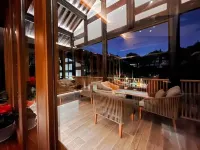
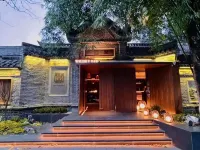
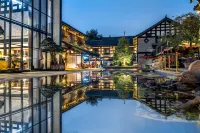
The hotel is located in Changpinggou Scenic Area, one of the three core scenic spots of Mount Siguniang. It is situated beneath the four snow capped mountains of Mount Siguniang at an altitude of 3300 meters, with magnificent views of the snow capped mountains and the Rizhao Golden Mountain outside the window.
Each room in the hotel is equipped with full house underfloor heating and oxygen concentrators, eliminating your worries about cold and high fever.
For the vast majority of people, an altitude of 3300 meters is generally suitable for moderate exercise.
Changpinggou Scenic Area is the best location to admire the four snow capped mountains of Mount Siguniang. The highest peak, Yaomei Peak, has snow all year round. Opening the curtains in the morning, you can see the magnificent snow capped mountains, and on sunny days, there will be a view of the golden mountains with sunshine.
The hotel rooms are of first-class quality, equipped with Marshall sound system, Dyson hair dryer, Balmain hair care, high-quality mini bar, and Jinkoer latex mattress, allowing you to sleep comfortably even in 5A level scenic spots.
Full butler service, driver pick-up and drop off service at Changpinggou Tourist Center in Siguniangshan Town, taking care of your travel throughout the process.
The hotel is about a 17 minute drive from Shuangqiaogou Scenic Area, which is convenient to reach. Guests heading to Shuangqiaogou Scenic Area need to purchase tickets in advance.
Looking forward to meeting you under the snow capped mountains.
"The hotel is great, with excellent views. The staffs are attentive and kind. Surrounding of the hotel has no shops. However the hotel has restaurant and bar which could ease our request. Overall I would recommend those looking for nice view, services can consider this hotel."
Ylivertainen
4532 arvostelua
9,4/10
1 yö
Alkaen 110 EUR
99+
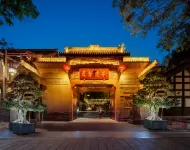
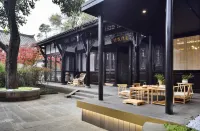
成都院子酒店
Hotellit kohteessa Qingyang District,Chengdu
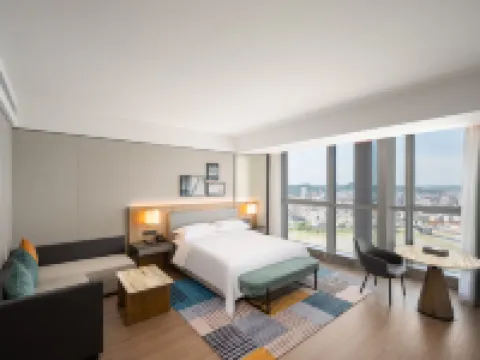
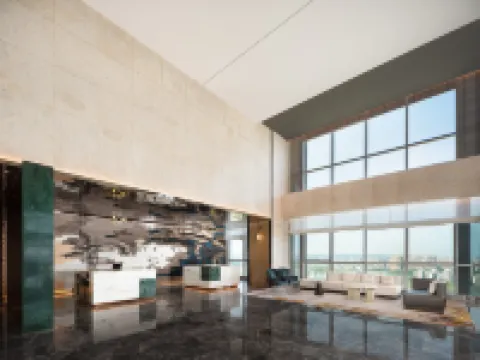
The CD YUENCHI provides a great place for travelers to relax after a busy day. The CD YUENCHI offers a pleasant stay in Chengdu for those traveling for business or leisure. With Chengdudong Railway Station just 9km away and Chengdu Shuangliu International Airport only 19km away, transportation is very convenient. Transportation around the city is also convenient, with Wenshu Monastery Metro Station within walking distance. The nearby area boasts an abundance of attractions including Liyuan Guild Hall-Chuan Opera Changing Face (wenshuyuan store), Gawan Liyuan Tea House (Chuan Opera Changing Face Theater) and Chunxi Road. In their spare time, guests can explore the hotel's surroundings. Guests of this Chengdu hotel can make use of the parking facilities. According to our guests, this hotel provides a very high level of service. This hotel is particularly popular with those traveling with families.
"The hotel was situated in a great location, the staff were extremely friendly and helpful and recommended great restaurants. Special thank you to Gina Fu and Zeng who carried our luggage and offered us great food recommendations. They were very friendly. They offered warm water at 49 degrees."
Excellent
4369 arvostelua
9,6/10
1 yö
Alkaen 85 EUR

99+
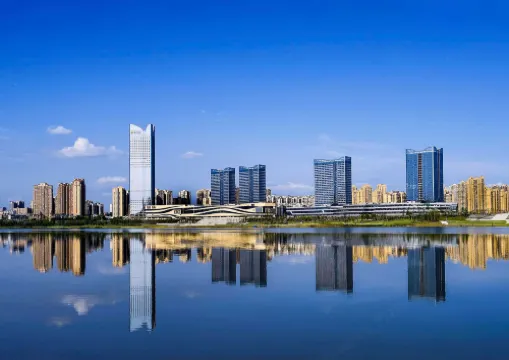
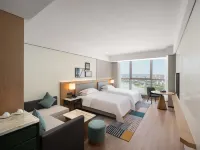
南充高坪凯悦嘉轩酒店
Hotellit kohteessa Gaoping District,Nanchong
The HYATT PLACE NANCHONG GAOPING is an ideal spot for travelers wanting to discover the city. The HYATT PLACE NANCHONG GAOPING offers a pleasant stay in Nanchong for those traveling for business or leisure. The hotel is only 6km from Nanchong Railway Station and 9km from Nanchong Gaoping Airport, giving guests a number of convenient transportation options. The nearby area boasts an abundance of attractions including Nanmenba Ecological Park, Nanchong Jialing River Cruise and Workers Cultural Palace (Guoshan Street). At the end of a busy day, travelers can unwind and relax in the hotel or go out and enjoy the city. Guests of this Nanchong hotel can make use of the parking facilities. Our guests rate this hotel as one of the best hotels for cleanliness. This hotel is a popular accommodation for guests traveling for business.
"The hotel is very luxurious and has good attention to detail. Although the room we were in had an amazing view and luxurious feel, some dirt and stains and a few cracks in the furniture takes away the full 5 star wow factor, although it is a great room. Also the hairdryer is very very old and overheats within minutes, you need to pull it out, wait, then try again. Also the AC is not stable, at times we needed to turn it down as low as 10 to actually feel cool as the room is very hot and humid. The staff in general were very warm and accommodating and provided extra water for the room when we called them. However as we wanted to have a little rest in the morning we called to ask if the cleaner could come asap to only change trash and stock up the toilet roll etc, we were informed that there was only one cleaning lady and would need to wait. I find this quite questionable for a hotel that big. The breakfast buffet is good with lots of choice. Pastries, cakes, local specialties, western dishes a plenty. However the coffee machine is weak and only provides espresso and americano, the hotel should upgrade the machine to accommodate those with tastes like lattes and cappuccinos as this is the norm in even 4 star hotels. The robot butler is a great touch.The location is actually very very good. Shopping malls and restaurants are very very close. Overall I would stay here again but the price needs to match the interior."
Ylivertainen
2345 arvostelua
9,4/10
1 yö
Alkaen 40 EUR


99+
峨眉山温泉饭店(灵秀温泉店)
Hotellit kohteessa Sichuan
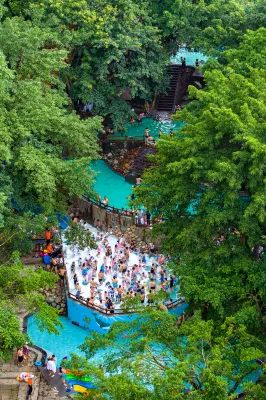
Only six km (3.7 mi) from downtown Emei, the Emeishan Hot Spring Hotel (Emeishan Wenquan Fandian) is located inside the Baoguo Temple Scenic Area and provides nearly 50,000 square meters of landscaped grounds and luxurious suites.All rooms feature air conditioning, stereo systems, cable TV and high-speed Internet access among other conveniences. Chinese and Western restaurants are available.This Emei Shan hotel is within close proximity of the largest outdoor hot spring in western China, Lingxiu Hot Spring. There are also indoor hot spring spa rooms. Guests may also enjoy KTV, the hotel bar, a trip to the sauna, billiards and working out in the gym. In addition, the hotel features a traditional open-door teahouse where guests can enjoy views of the mountains.
"When we arrived at the hotel my Alipay died and I couldn’t pay the taxi fare! No problem.. a very helpful member of reception staff named Xu Ting came to my rescue. She personally paid the driver with her own money! (Later, when my Alipay recovered, I repaid her.)
She then went on to organise a lovely room for us with a few extra touches such as a special bathrobe for my son (to go to the water park) and children’s toiletries. In fact, she couldn’t do enough for us and it was her excellent service that made our stay so enjoyable.
The hotel itself is very slightly tired but perfectly adequate for the price, especially considering a good breakfast buffet is included.
The location is excellent - a two minute walk to restaurants and the bus station to get up the mountain.
The water park/hot springs was a lot of fun late at night with my son, but it was a shame some of the slides etc were closed. For the price I’m not complaining, but perhaps it needs a revamp.
We planned to stay for only one night but after a long day climbing the mountain, I contacted Xu Ting and she once again sorted us a nice room and helped with getting our clothes dry! 5 stars Xu Ting."
Ylivertainen
2154 arvostelua
9,3/10
1 yö
Alkaen 41 EUR

99+
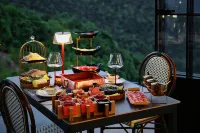
成都香格里拉大酒店(太古里店)
Hotellit kohteessa Jinjiang District,Chengdu
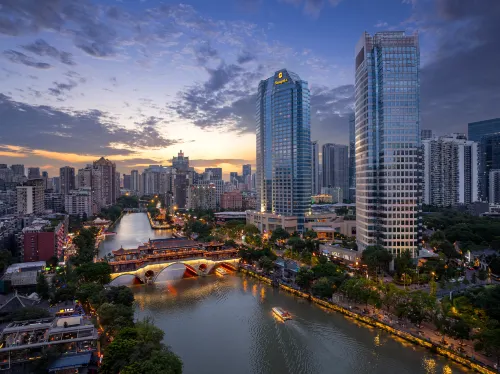
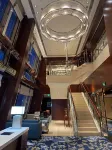
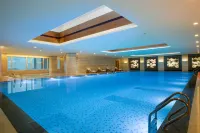
Shangri-La, Chengdu is conveniently located in the city center. A landmark location, it easily overlooks the jinjiang River, Anshun Bridge and Hejiang Pavilin. The hotel is a 25-minute drive to Chengdu Shuangliu International Airport, 20-minute drive to Chengdu East railway station and a convenient 15-minute walk to the IFS and Taikoo Li Chengdu shopping area.Shangri-La, Chengdu has 36 storeys and 594 modern-design rooms. The hotel has four restaurants and bars offering guests a varied food selection. CHI, The Spa, Shangri-La signature spa brand, a gym and an indoor swimming pool meet the guests needs for leisure and health.
"Good Memorable Stay at Chengdu,
Professional Services to Shangri - La's management team and special thanks to Miss Shandy
The hotel is conveniently located near the Jiuyan Bridge (九眼桥), offering a truly authentic and historic Chengdu experience. Staying beside such a meaningful landmark gave us a sense of China’s ancient charm and local culture.
I sincerely appreciate the management team, especially Ms. Shandy and her team, for being extremely helpful and professional throughout my stay. They truly understand what guests need, and their attentiveness made me feel very welcome. I will definitely recommend this hotel to my family and friends.
The management team also went above and beyond by sharing information on nearby attractions and recommending excellent local food spots. I truly appreciate their dedication and warm hospitality.
Additional Highlights:
The hotel’s location is surrounded by local eateries, allowing me to experience authentic Chengdu flavours and culture.
The souvenir prepared by the management team was a thoughtful gesture that created a lasting memory of Chengdu’s warmth and friendliness.
Thank you once again to the management team and Ms. Shandy for your outstanding service and care. You made my stay in Chengdu truly enjoyable and memorable."
Ylivertainen
12696 arvostelua
9,5/10
1 yö
Alkaen 96 EUR

99+
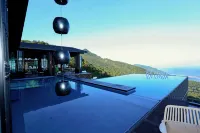
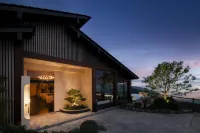
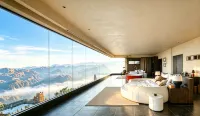
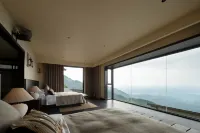
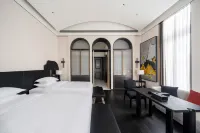
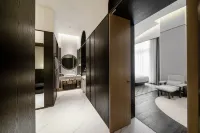
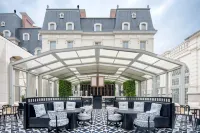
归墅·RETURN隐世酒店(九皇山景区店)
Hotellit kohteessa Sichuan
Ylivertainen
61 arvostelua
9,5/10
1 yö
Alkaen 120 EUR
99+
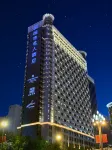
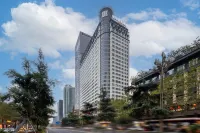
路易城堡青桐酒店
Hotellit kohteessa Wuhou District,Chengdu
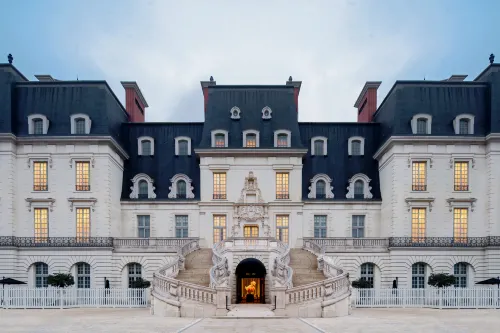
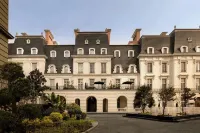
The Chengdu Louie Castle sycamore Hotel is designed by the renowned Hong Kong design firm zheng Zhong (CCD), which extracts and transforms multiple elements such as leisure and French romance from the hotel's location in Jinguan City.
Strolling through the space where modern design and castle structure intersect, one can experience the artistic charm of time and space crossing.
"The hotel itself is gorgeous and good for picture taking both inside and outside. Room was clean and elegant. The decor was also top notch as well as the comfort of the bed. The trace of smoke odors at all. The receptionists were polite, friendly and helpful. Were greatly appreciated as we couldn't find the dining area the first morning in our stay as the hotel is huge. Will definitely stay again and would recommend to our family members and friends as well."
Excellent
1410 arvostelua
9,6/10
1 yö
Alkaen 79 EUR

99+
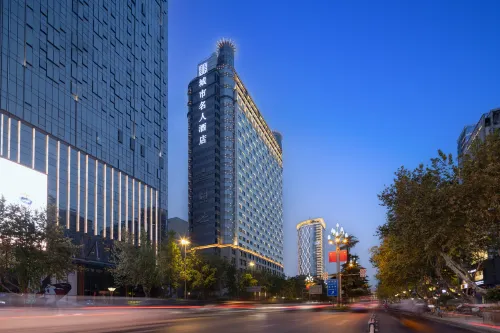
成都城市名人酒店
Hotellit kohteessa Qingyang District,Chengdu
Nestled close to Tianfu Square and Chunxi Road, the hotel sits adjacent to cultural landmarks such as Chengdu Museum, Chengdu Science and Technology Museum and People’s Park. It is a 3‑minute walk from Tianfu Square Metro Hub. The Chunxi Road, IFS and Taikoo Li shopping districts are merely one stop away via Metro Line 2. It is a 15‑minute drive to Chengdu East Railway Station, 25 minutes to Shuangliu International Airport and one hour to Tianfu International Airport, enjoying a superb location with excellent transport links.
The hotel features more than 400 guest rooms of diverse categories, including deluxe twin/double rooms, executive twin/double rooms, family‑oriented rooms, family suites and celebrity suites. Featured room types including Executive Rooms and Tianfu Premier Rooms have been fully upgraded.
Mingren Jinhui Chinese Restaurant is on the 3rd floor, serving authentic Sichuan cuisine with 13 private dining rooms. Hecai Premier Western Restaurant, located on the 2nd floor, provides Chinese‑Western buffet breakfast and can seat nearly 160 guests.
The conference and banquet centre is spread across the 11th and 26th floors, with a total of 7 meeting rooms. The 500‑sq‑m pillar‑free Celebrity Hall can host theatre‑style conferences for up to 500 participants.
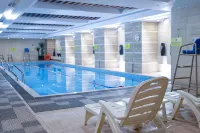
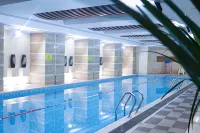
The hotel also offers a full suite of star‑grade hotel amenities, including Jiangnanyi Tea House, Lobby Lounge, swimming pool, fitness centre, Xingyun Pavilion and KTV.
"The hotel is pretty nice with good location and view. Quite old, some strange dirty spots on walls and furniture. Some check-in ladies are not nice, but ither staff is polite and helpful.
Swimming pool didn't work during our stay, that was not communicated in advance.
Breakfast is good.
The hotel requires deep cleaning of rooms, furniture and walls."
Ylivertainen
6618 arvostelua
9,4/10
1 yö
Alkaen 37 EUR
Tutustu hotellien vierasarvosteluihin koihteessa Sichuan
Näytä kaikki
Celebrity City Hotel
9.4/10
Ylivertainen
Lähetetty30.10.2025
Vieraskäyttäjä
The hotel is pretty nice with good location and view. Quite old, some strange dirty spots on walls and furniture. Some check-in ladies are not nice, but ither staff is polite and helpful.
Swimming pool didn't work during our stay, that was not communicated in advance.
Breakfast is good.
The hotel requires deep cleaning of rooms, furniture and walls.
Hinta yötä kohden alkaen:37 EUR
Hyatt Centric The Ring Chengdu
9.5/10
Ylivertainen
Lähetetty23.3.2026
Vieraskäyttäjä
I wanted to share a heartfelt thank you to the wonderful team at Hyatt Centric The Ring Chengdu. This was the final stop on our China trip, and our experience here truly stood out - it was, without a doubt, the best customer service we received throughout our journey.
While not all staff were fluent in English, those who communicated with us - both in person and via WeChat - were exceptionally thoughtful, attentive, and professional.
From the moment we arrived, Cheng Cheng welcomed us so warmly. He kindly assisted with our luggage up to the lobby and our room, and his enthusiasm in welcoming us to Chengdu immediately made us feel at home. After helping us check in, he briefly stepped away but returned shortly after to offer us a room change he had proactively arranged, having noticed an unpleasant food odour in the original room. This level of care and attention to detail meant so much to us. Throughout our stay, he continued to check in on us with a super friendly smile whenever we crossed paths, always ensuring we were comfortable and enjoying our time. Thank you, Cheng Cheng!
We would also like to thank James, who went above and beyond to help us with collecting our parcels - our first time ordering online in China. When our packages were diverted to a collection point, he personally accompanied us there and took the time to explain how the system works. This level of service is truly rare and it seemed so consistent with the whole team at this establishment.
When one of our parcels was mistakenly picked up and opened by someone else, James and Echo, the duty manager, stepped in and liaised with the collection point to track it down and successfully retrieve it. Echo wanted to hand this item to us personally so that we could check the contents were in good condition. We were incredibly impressed and grateful. Echo also helped resolve a couple of delivery hiccups by assisting us in contacting courier customer service, ensuring everything was eventually delivered smoothly. Thank you, James and Echo!
Last but certainly not least, our deepest thanks to Aggie. She was an absolute angel throughout our stay - so kind, approachable, and genuinely helpful. We are incredibly grateful for everything she did for us. She would help us with any issues promptly and nothing seemed like a hassle despite all the help we needed. When a couple of our deliveries couldn’t arrive before our departure, Aggie went out of her way to help arrange for the remaining parcels to be sent to us. Her care and dedication were truly exceptional and Hyatt Centric The Ring is so fortunate to have her as part of theteam! Thank you very much for everything, Aggie!
The team’s thoughtfulness was evident in so many small ways as well - bringing parcels up to our room and even leaving a pair of scissors for us to use. These touches did not go unnoticed and made our stay all the more special.
The breakfast was also excellent. If I were to offer any constructive feedback, it would be for housekeeping to pay a little more attention to detail in the bathrooms. That said, given the outstanding service we experienced, this was a very minor point, and I have no doubt it would have been promptly addressed had we raised it during our stay. Additionally, we found the laundry detergent used for the bath towels a little harsh and caused dryness for both my husband and me, though this was easily resolved with disposable cotton towels.
Ultimately, it was the people at this hotel who made our stay so memorable. Their warmth, care, and professionalism far outweighed any minor issues. I would highly recommend this hotel and will certainly be recommending it to family and friends visiting Chengdu.
Hinta yötä kohden alkaen:80 EUR
Solowandering·lehsna
9.5/10
Ylivertainen
Lähetetty23.3.2026
Vieraskäyttäjä
去樂山大佛遊玩,選擇這家度假民宿,離遊船碼頭很近,遊船很方便。酒店安排接送去樂山大佛景區,還贈送了講解,講的很好,比自己瞎看好太多!
小院子裝飾精緻,坐在院子裏發呆喝茶很不錯。房間很大,床品很舒適。早餐豐富,工作人員貼心熱情。樂山大佛景區附近難得的僻靜之地,值得推薦!
Hinta yötä kohden alkaen:117 EUR
Jiuzhai Forest Earth Cabin
9.4/10
Ylivertainen
Lähetetty3.1.2025
Sigina
(”I hate this place!!!” is what I would have said if the staff had not come to our rescue. During our 3D2N stay, we had moved into 3 different cabins. In the first cabin, the rain shower felt like weak rain droplet due to weak water pressure; then toilet had weak flush that our poop could not be cleared even after 30 over flushes, and then the flush stopped working. We changed into another cabin the next morning as it was already late at night.
The second cabin also had issue. When we turned on the floor heating and air conditioning heating for more than 4hrs, it was still not working and the room was still at 3 degree Celsius. It was really cold and we had no choice but to wear our winter gear with heat packs on us, figuring out if the heater would finally work. The staff provided us a portable heater (refer to last picture) as we would not want to change to another cabin anymore. However, our toilet flush stopped working and this forced us to change to the 3rd cabin.
This would have been a wonderful stay if the room's basic facilities had worked normally. But thanks to the excellent service of the staff, we could tell they really tried their best to fix the issue immediately whenever we raised the problem.
Now for some really good things we appreciate about this place:
1) If you are looking for a nice glamping experience, this is the place to go. The room is beautiful and the view is amazing. (Do check out cabin 8 and 9). You may get to be close to animals too. (refer to picture)
2) If you are looking to enjoy the stars without much light pollution, this is the place to go. (Suggestion to the staff, please replace the street lamps with motion sensor. So that the place can be darker at night for star viewing. Your street lamps are too bright with no cars moving around. Refer to 2nd last picture. This is the brightness of the room with all room lights off. But the street lamp had spoiled the star viewing from the room.)
3) They provide free car transport to fetch you from the bottom of the hill. (Note: Their didi GPS of the hotel is wrong. The didi might drop you half way off the hill. So better request for free car pick up service from bottom of the hill with the hotel.)
4) The communication with the staff via Wechat is fast and responsive. We are already connected with them before we depart from our country. When you reach Huanglong Jiuzhai Train Station, they will also guide you what bus to take and which stop to alight (Hua Mei Sheng Di, not Jiu Zhai Gou Visitor Center) and has their driver on standby to fetch you to the hotel.
5) The staffs are amazing, friendly and helpful. When we faced trouble with our cabin, they responded very fast and did their best in assisting our problem.
6) The room is a smart room. From the moment you open the door, the curtain will be automatically opened for you, the room will have nice music to welcome you. You can also connect your laptop or phone via their Bluetooth and have the whole cabin turned into a surround sound movie theater.
Conclusion:
Our stay would have been more than perfect if all the basic facilities work normally and the street lamps can be turned off during the night with motion sensor for us to view the stars. I would recommend my friends or myself to come again if they can take my suggestions and fix the place. =) )
Hinta yötä kohden alkaen:73 EUR
Ocean Spring Resort Chengdu - MGallery
9.6/10
Excellent
Lähetetty20.3.2024
Janeyyy89
This resort is nothing short of amazing and I would definitely rate this resort 10/10! I have a young toddler aged 18MO & elderly parents above 70YO during this stay and we absolutely loved our stay here. Value-for-money (we stayed during off-peak season, weekday, about RMB1000/night for our original room type), relatively new, clean & big rooms.
Some noteworthy details:
- Service is top-notched. Staff were friendly & very helpful. We could see that they really put in their heart into the work they do. They even gave our little one a panda toy & she loves it - a really nice gesture by the resort.
- The resort is located at Jintang, a hot spring precinct. With Trip.com, we booked the hotel bundle/package and it was fantastic. The key items in the package include:
(a) A free strawberry picking experience at a nearby humble farm called 许姐草莓采摘. Each booking entitles you to 500g worth of strawberries (transport at own expense, only about RMB10 by Didi). The strawberries were big and juicy, we were lucky cos they are in season now!
(b) 40-min Himalayan Salt Therapy/Bath for 1 pax/room
(c) Outdoor hot spring experience for the whole family (my 18MO loves it too!). There are many pools to choose from & we could find one which was not too hot for our baby. This is otherwise chargeable from RMB228/pax to RMB468/family of 2A1C.
(d) Bicycle rental, but we didn’t try it as it was too cold.
- Resort looks amazing, both indoors & outdoors! There were a number of activities for children to enjoy too but our naughty one is too young to appreciate it. Older kids will love them.
- We also loved the hotel’s concept of having complimentary bottles of distilled water etc. which is really important to us as we needed a lot of water for our baby’s food. This meant that that we did not have to go to the trouble of finding a supermarket, which is quite a distance away.
- We managed to snag a free upgrade to a Spring 2-Bedroom Villa due to our Accor Gold membership & it’s low peak season. All villas come with private pool - ours was available both on L1 & L2.
- Hotel uses quality furnishing & Toto toilet, definitely a plus. Water pressure is great too.
- We had all our meals at L’Orange as there are no nearby eateries & our time is limited due to our baby. The steamboat set is pricey but highly recommended! The fish & lamb meat (can be changed to beef at diner’s request) were fresh & really good. We liked all the other meat dishes too except for the dumplings. If you have Accor Plus membership, the usual discounts are available too. The hotel breakfast is also at the same restaurant. Breakfast selection was good even though there were not many guests.
Areas of improvement:
- Resort was able to provide a baby cot for our 18MO. However, the mattress was a little hard & the cot was creaky, it kept our baby awake.
- The air-con ventilation vents are directly above the baby cot and it became too cold for our baby in the middle of the night. Couldn’t adjust the temperature no matter what. The staff managed to made it warmer the following night but it resulted in some loud noises, probably issues with the damper.
- Rooms can be a little cleaner (e.g we saw dust balls on the floor).
Thank you Ocean Spring Resort Chengdu! We had a great stay here. Will definitely be back!
Hinta yötä kohden alkaen:99 EUR
Conrad Jiuzhaigou
9.5/10
Ylivertainen
Lähetetty17.12.2025
ML N
We recently completed our first family trip to Jiuzhaigou, and our stay at the Conrad Jiuzhaigou was an absolute highlight that contributed significantly to the magic of the experience. Our group included 5 people (2 were kids), and the hotel catered to all of us with warmth and efficiency.
🏞️ Stunning Views and Impeccable Cleanliness
From the moment we arrived, we were left speechless by the stunning views surrounding the property. The scenery is simply breathtaking and left an unforgettable impression of both the Conrad and Jiuzhaigou itself. Beyond the views, the hotel's cleanliness was impeccable, ensuring a comfortable and reassuring environment throughout our stay.
💖 Outstanding Staff and Exceptional Hospitality
The entire staff team at the Conrad Jiuzhaigou deserves immense praise for their incredibly helpful and professional service. They truly elevated our stay.
We are especially grateful for their efforts in upgrading one of our rooms. This allowed all five family members to stay within the same block, which was highly appreciated and made our family logistics so much easier. Also, a standout service was the golf cart transportation required between our room and the main lobby. The staff were exceptionally attentive, ensuring we never had to wait in the freezing weather. The cars arrived almost instantly upon request, demonstrating remarkable efficiency and concern for guest comfort.
A special shout-out must go to Ms. May who helped us check-in at the Reception counter. She took excellent care of us from the moment we stepped into the hotel, processing our check-in smoothly and efficiently. Her welcoming presence set a wonderful tone for the rest of our stay.
🍳 Delightful Dining Experience
The breakfast at the Conrad was another major positive. The spread was wide and diverse, offering something for everyone in our group, and the taste and quality were truly excellent. It was the perfect start to our long days of sightseeing.
In summary, the Conrad Jiuzhaigou is more than just a place to stay—it's a destination that offers comfort, luxury, and world-class hospitality. The combination of the stunning views, pristine environment, and the helpfulness of the entire staff (especially Ms. May) made this an unforgettable experience. We highly recommend this hotel to anyone visiting Jiuzhaigou.
Hinta yötä kohden alkaen:285 EUR
Grand ParcVue Hotel Residence Chengdu
9.6/10
Excellent
Lähetetty6.4.2026
Vieraskäyttäjä
Highly Recommended
I would like to express my sincere appreciation for this hotel apartment.
First, the room itself exceeded my expectations. The entire apartment is exceptionally well-maintained, with hardly any dust in the living area or bedroom. The wardrobe is cleverly designed with multiple compartments, making it very practical for organising luggage. The bed is clean, and the mattress offers just the right balance of softness and support. For the first time in an unfamiliar place, I slept soundly through the night — largely because the room is completely silent, with no distracting noise at all. The in-unit washer and dryer were a game changer, allowing us to have fresh clothes every day.
Second, the location is superb. The surrounding area is filled with small local eateries serving delicious breakfast options such as youtiao (fried dough sticks), congee, soy milk, and vegetable-meat buns. There are also barbecue skewer shops and hotpot restaurants. Tao De Casserole is just a ten-minute walk away. Moreover, the hotel apartment is directly connected to a duty-free mall and several upscale restaurants, so we enjoyed a wide variety of cuisines within just a few days — incredibly convenient for families with children. After shopping on *******, a delivery robot would bring our items to the room in under 15 minutes; the speed was truly astonishing.
Finally, I must praise the staff. When a technician came to fix the TV remote, he put on shoe covers before entering — a level of hygiene awareness that surpassed what I have experienced in hotels in Hangzhou, Shanghai, Xi’an, Zhuhai, and Shenzhen. A special thank you to Tina at the front desk. She proactively helped us contact the Sichuan opera theatre across the street, arranged ticket booking, and secured excellent seats for Saturday’s performance. She also recommended local restaurants and reminded us to make reservations, which made dining out effortless. She always responded promptly on WeChat, making us feel truly cared for. The housekeeping ladies who brought extra bottled water and towels were all warm and smiling, leaving me with a deeply positive and unforgettable impression of the people of Chengdu.
In summary, this hotel apartment excels in room quality, location, and service. I cannot recommend it highly enough.
這間酒店公寓給了我很大的驚喜,值得給一個高度讚賞。
首先,要讚的是房間本身。酒店公寓保養得非常好,客廳和房間幾乎沒有灰塵,衣櫃間隔實用,格子多又方便整理行李。睡床乾淨舒適,床褥軟硬適中,一覺睡到天光,最難得的是房間完全沒有雜音,對於在陌生地方難以入睡的我來說,簡直是福音。加上廚房配備洗衣機和烘乾機,每日都可以清洗替換衣物,非常方便。
其次是地段。附近有大量小店,早餐選擇豐富,油條、粥、豆漿、菜肉包應有盡有,也有串燒和火鍋店。步行約十分鐘就到陶德砂鍋,而酒店公寓本身更連接免稅店和較高檔次的餐廳,短短幾天就嚐遍不同類型的美食。在美團購物後,機械人不到15分鐘就把貨品送上來,效率快得驚人。對於帶同小孩的家庭來說,實在超級方便。另外,酒店對面就是川劇劇場,位置一流。
最後,一定要讚職員的服務態度。維修電視遙控的同事上門前主動穿上鞋套,衛生意識比以往在杭州、上海、西安、珠海、深圳住過的酒店都要好。前台職員天娜更主動幫我聯繫川劇劇場、訂票、搶位,讓我在週六坐到一個極佳的位置欣賞表演。她又介紹附近美食,提醒我訂位,方便到多家餐館用膳。微信發問,總是迅速回覆,令我感覺被好好照顧。其他保潔阿姨送額外瓶裝水、毛巾時,個個態度友善、笑容可掬,讓我對成都人留下非常難忘而美好的印象。
總括而言,這間酒店公寓無論硬件、地段還是人情味都無可挑剔,我會極力推薦給其他人。
Hinta yötä kohden alkaen:69 EUR
Four Points by Sheraton Chengdu Chunxi Road
9.5/10
Ylivertainen
Lähetetty24.12.2025
3Ks
For a four-star hotel, there are a few areas that could be improved, but because of the excellent service provided by the staff, I would still give Four Points by Sheraton Chengdu Chunxi Road a 5-star rating.
We checked in on 13 December and initially found that the room safe was not working. The front desk staff, Mr Joey Yang, handled the situation very professionally by arranging a room change and even offering us a complimentary upgrade. His quick decision and helpful attitude were much appreciated.
During our stay, we experienced a few issues, including food delivery coordination, a temporary phone malfunction, and a toilet problem that caused an unpleasant smell. Despite these inconveniences, the staff consistently responded with patience and responsibility. Mr John Tang later assisted us and suggested another room change immediately. He personally escorted us and arranged a panda doll and fruit as a goodwill gesture, which left a very positive impression.
On the bright side, the breakfast spread was good with a wide variety of options, especially the Assam milk tea and live noodle station. The laundry room was also modern and very easy to use, with detergent provided.
Overall, the customer service truly stood out and made a big difference. We sincerely appreciate the efforts of Mr Joey Yang and Mr John Tang. With some improvements to facilities, this hotel has great potential to be even better.
Hinta yötä kohden alkaen:70 EUR
Rezen Retreat · Four Seasons Manju Hotel (Jiuzhaigou Tourist Center)
9.4/10
Ylivertainen
Lähetetty4.4.2026
FoodNatureExplorer
This was one of my favourite stays. The location is excellent—just a 5-minute walk to the park entrance, which makes early starts really easy.
From the moment I arrived, the experience was great. Check-in was smooth, and the front desk staff were warm, professional, and welcoming, creating a relaxed atmosphere straight away. They were always attentive and happy to help, and the translator device made communication very easy.
The room was modern and comfortable, with a very good bed. I appreciated the thoughtful extras like coffee, snack box, face masks, and plenty of bottled water. I also had a balcony with a beautiful mountain view, which made the stay even more special. Felt like a European hotel in the mountains.
The undercover spa was a highlight—perfect for relaxing after a long day exploring. There’s also easy access to the nearby village for an evening walk.
Overall, a comfortable, convenient, and very well-run stay that I’d happily recommend.
*they even messaged me very quickly to tell me I had left something behind at checkout. Great customer service.
Hinta yötä kohden alkaen:84 EUR
BRILLIANT RESORT XILING SNOW MOUNTAIN CHENGDU
9.5/10
Ylivertainen
Lähetetty22.12.2025
愛死你
Our family trip with three families turned out to be a delightful experience.
The hot spring and its beautiful surroundings made the visit truly enjoyable.
The food was excellent and reasonably priced. The mutton pot with fungus tray was so delicious that we ordered it twice on both days—it’s definitely a must-try dish. The handmade noodles were also very tasty.
Overall, it was a worthwhile place to visit in the cold season.
Hinta yötä kohden alkaen:82 EUR
Frequently Asked Questions
Mitkä ovat suosittuja 5 tähden hotelleita kohteessa Sichuan?
Matkustatpa sitten maahan Sichuan liike- tai lomamatkalle, Rezen Retreat · Four Seasons Manju Hotel (Jiuzhaigou Tourist Center) (alkaen 65 EUR) , voco Chengdu Chunxi Road (alkaen 65 EUR) ja Joyhub Cheer Hotel (alkaen 61 EUR) ovat suositeltuja hotelleita.
Mikä on kohteen Sichuan 5 tähden hotellien keskimääräinen yöpymishinta?
Kohteen Sichuan keskimääräinen 5 tähden hotelliyöpymisen hinta arkisin on 201 EUR, ja keskimääräinen hotelliyöpymisen hinta viikonloppuisin (perjantai–lauantai) on 205 EUR.
Mitkä 5 tähden hotellit kohteessa Sichuan soveltuvat pariskunnille?
Matkustatpa sitten häämatkalle tai muuten vaan pariskuntana, Elaine Serviced Apartment Chengdu (alkaen 39 EUR) , Grand Hyatt Chengdu (Chunxi Road Taikoo Li) (alkaen 114 EUR) ja Niccolo Chengdu (alkaen 163 EUR) ovat suositeltuja hotelleita.
Mitkä 5 tähden hotellit kohteessa Sichuan tarjoavat uima-altaan?
Kohteessa Sichuan on paljon uima-altaan sisältäviä 5 tähden hotelleita. Joyhub Air Hotel (alkaen 74 EUR), Atour S Hotel Chengdu Taikoo Li (alkaen 69 EUR) ja Grand ParcVue Hotel Residence Chengdu (alkaen 69 EUR) ovat erittäin suosittuja.
Mitkä 5 tähden hotellit kohteessa Sichuan tarjoavat kuntosalitiloja?
Rezen Retreat · Four Seasons Manju Hotel (Jiuzhaigou Tourist Center) (alkaen 65 EUR), voco Chengdu Chunxi Road (alkaen 65 EUR) ja Joyhub Air Hotel (alkaen 74 EUR) tarjoavat kuntosalitiloja. Tyydytä kuntoilutarpeesi myös matkoilla ollessasi!
Mitkä 5 tähden hotellit kohteessa Sichuan sisältävät baarin?
Kohteessa Sichuan on baarin sisältäviä 5 tähden hotelleita. Celebrity City Hotel (alkaen 37 EUR), Tonino Lamborghini Hotel Chengdu (alkaen 93 EUR) ja Grand Hyatt Chengdu (Chunxi Road Taikoo Li) (alkaen 114 EUR) ovat erittäin suosittuja.
Mitkä 5 tähden hotellit kohteessa Sichuan tarjoavat aamiaisen?
Rezen Retreat · Four Seasons Manju Hotel (Jiuzhaigou Tourist Center) (alkaen 65 EUR),voco Chengdu Chunxi Road (alkaen 65 EUR) ja Joyhub Cheer Hotel (alkaen 61 EUR) tarjoavat herkullisen aamiaisen. Aloita päiväsi maukkaalla aamiaisella!
Mitkä 5 tähden hotellit kohteessa Sichuan tarjoavat kylpyläpalveluita?
Haluatko rentoutua kylpylähoidossa? Kohteessa Sichuan on kylpylän sisältäviä 5 tähden hotelleita. Tonino Lamborghini Hotel Chengdu (alkaen 93 EUR), Shangri-La Hotel Chengdu (alkaen 97 EUR) ja Novotel ChengDu Chunxi Road (alkaen 23 EUR) ovat erittäin suosittuja.
Mitkä 5 tähden hotellit kohteessa Sichuan tarjoavat ilmaisen Wi-Fi-yhteyden?
Internet-yhteys on olennainen edellytys matkustamiselle. Rezen Retreat · Four Seasons Manju Hotel (Jiuzhaigou Tourist Center) (alkaen 65 EUR), voco Chengdu Chunxi Road (alkaen 65 EUR) ja Joyhub Cheer Hotel (alkaen 61 EUR) ovat suosittuja hotelleita, jotka tarjoavat ilmaisen Wi-Fi-yhteyden.
Mitkä 5 tähden hotellit kohteessa Sichuan soveltuvat perhematkalaisille?
Rezen Retreat · Four Seasons Manju Hotel (Jiuzhaigou Tourist Center) (alkaen 65 EUR), voco Chengdu Chunxi Road (alkaen 65 EUR) ja Joyhub Air Hotel (alkaen 74 EUR) soveltuvat erittäin hyvin perhematkalaisille.
Mitä tarjouksia 5 tähden hotelleista kohteessa Sichuan on tarjolla?
Trip.com tarjoaa erilaisia kampanjoita ja alennuksia 5 tähden hotelleista. Voit tarkistaa kampanjasivulta, mitä kampanjoita Trip.comissa on tarjolla.
Paikalliset matkustustiedot
| Hotellien lukumäärä | 481 |
|---|---|
| Arvosteluiden lukumäärä | 822,562 |
| Korkein hinta | 3 320 EUR |
| Edullisin hinta | 22 EUR |
| Keskimääräinen hinta (viikonloppuisin) | 205 EUR |
| Keskimääräinen hinta (arkisin) | 201 EUR |
Suositukset
Suositellut tähtiluokitellut hotellit
5 tähden hotellit kohteessa Kaohsiung1 tähden hotellit kohteessa Kōbe5 tähden hotellit kohteessa Surabaja3 tähden hotellit kohteessa Milatos Beach5 tähden hotellit kohteessa Palma de Mallorca5 tähden hotellit kohteessa Gran Canaria5 tähden hotellit kohteessa Johor Bahru5 tähden hotellit kohteessa Edinburgh5 tähden hotellit kohteessa Xianju County5 tähden hotellit kohteessa Perth5 tähden hotellit kohteessa Kefaloniá5 tähden hotellit kohteessa Alaçatı5 tähden hotellit kohteessa Salcete5 tähden hotellit kohteessa Tirana5 tähden hotellit kohteessa Talpe5 tähden hotellit kohteessa Olhos de Água5 tähden hotellit kohteessa Santa Fe County5 tähden hotellit kohteessa Miraflores5 tähden hotellit kohteessa Grace Bay5 tähden hotellit kohteessa Ulster County4 tähden hotellit kohteessa Puning4 tähden hotellit kohteessa Liupanshui4 tähden hotellit kohteessa Yibin4 tähden hotellit kohteessa Zhaoqing4 tähden hotellit kohteessa Qingyang4 tähden hotellit kohteessa Jining5 tähden hotellit kohteessa Pyrénées-Atlantiques4 tähden hotellit kohteessa Xianyang4 tähden hotellit kohteessa Chenzhou4 tähden hotellit kohteessa Trabzon
Eniten katsotut hotellit
JoutsenlampiJanka ResortLuovoSointuilevi j 38Aurora igloo PorvooLAPLAND HOTEL OLOSHotel Cumulus PinjaNoli OtaniemiBreak Sokos Hotel FlamingoBob W Helsinki KatajanokkaSamed Tropical ResortLub d Koh Samui Chaweng Beach - Beachfront & Vibrant Social VibeVadelmaFira Backpackers PlaceCasa Real HotelHotel Apartamentos Pyr FuengirolaHuahin Residence 1PetsankoloHotel KalliohoviHanaholmen-hotelli